Electric vehicles (EVs) are no longer a futuristic concept; they are part of our present reality. With the increasing adoption of EVs, there's a growing need for efficient and reliable charging infrastructure. This is where energy storage battery, specifically rack-mounted batteries, come into play. In this blog post, we'll explore how integrating these batteries into EV charging stations can revolutionize the industry, offering numerous benefits and paving the way for future advancements.
Enhancing EV Charging Infrastructure with Rack Mounted Batteries
Key Benefits of Integrating Energy Storage with EV Chargers
Real-Life Examples: EV Charging Stations Powered by Advanced Batteries
Comparing Energy Storage Solutions for EV Charging
Future Trends in EV Charging and Energy Storage Integration
Enhancing EV Charging Infrastructure with Rack Mounted Batteries
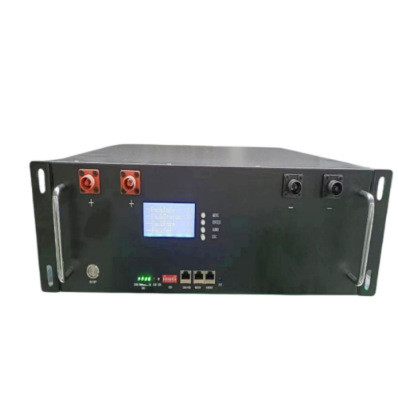
The integration of rack mounted battery in EV charging stations is transforming the landscape of electric vehicle infrastructure. These batteries offer a reliable and efficient solution for managing power demands and ensuring consistent energy availability. By storing excess energy during off-peak hours and releasing it during peak times, they help alleviate the strain on the grid and ensure that EV drivers always have access to a fully charged vehicle. The 51.2V 100Ah LiFePO4 battery, for example, is designed for optimal performance and can be easily integrated into existing energy systems, making it a versatile choice for both residential and commercial settings.
Key Benefits of Integrating Energy Storage with EV Chargers
Integrating energy storage batteries with EV chargers offers several significant benefits. Firstly, it enhances the reliability of charging stations by providing a consistent power supply, even during grid fluctuations. Secondly, it reduces energy costs by storing excess energy during off-peak hours when electricity rates are lower and using it during peak times. Thirdly, it supports the use of renewable energy sources such as solar and wind power, ensuring that EV charging is as green as possible. Lastly, it can improve the overall user experience by reducing wait times and ensuring that charging stations are always operational.
Real-Life Examples: EV Charging Stations Powered by Advanced Batteries
Several real-life examples demonstrate the successful integration of energy storage batteries in EV charging stations. In California, for instance, a pilot program has been launched to test the effectiveness of using rack mounted batteries to support EV charging. The results have been promising, with improved charging reliability and reduced energy costs. Another example is a project in Germany where solar-powered charging stations are equipped with energy storage batteries to store excess solar energy and use it during cloudy days or at night. These examples highlight the potential of advanced batteries to enhance the efficiency and sustainability of EV charging infrastructure.
Comparing Energy Storage Solutions for EV Charging
When it comes to energy storage solutions for EV charging, there are several options to consider. The most common types of batteries used are lithium-ion, lead-acid, and flow batteries. Each type has its pros and cons. Lithium-ion batteries, like the 51.2V 100Ah LiFePO4, are known for their high energy density and long cycle life, making them a popular choice for EV charging applications. Lead-acid batteries, on the other hand, are cheaper but have a shorter lifespan and lower energy density. Flow batteries offer the advantage of scalability and long cycle life but are more expensive and less energy-dense compared to lithium-ion batteries. When choosing an energy storage solution, it's essential to consider factors such as cost, energy density, cycle life, and environmental impact.
Future Trends in EV Charging and Energy Storage Integration
The future of EV charging and energy storage integration looks promising, with several trends set to shape the industry. One key trend is the increasing use of renewable energy sources to power EV charging stations. Solar and wind power, combined with advanced energy storage solutions, can provide a sustainable and reliable energy supply for EVs. Another trend is the development of smart grid technology, which allows for better management of energy resources and more efficient integration of energy storage systems. Additionally, advancements in battery technology, such as solid-state batteries, promise to deliver higher energy densities and longer lifespans, further enhancing the efficiency and reliability of EV charging infrastructure.
In conclusion, the integration of energy storage batteries into EV charging stations is a game-changer for the electric vehicle industry. Rack mounted batteries like the 51.2V 100Ah LiFePO4 offer numerous benefits, including improved reliability, reduced energy costs, and support for renewable energy sources. Real-life examples demonstrate the potential of these batteries to enhance the efficiency and sustainability of EV charging infrastructure. By staying informed about the latest trends and advancements in battery technology, businesses and consumers can make smart decisions about their energy storage solutions and contribute to a greener, more sustainable future. If you're interested in exploring the benefits of energy storage for your EV charging needs, consider trying out our advanced energy storage solutions today.